Cotton, Linen and Wool: How the Main Natural Fabrics Compare
Compare cotton, linen and wool by breathability, warmth, wrinkling and care so you can choose the right natural fabric for every season.
Key takeaways
- Cotton is the dependable all-rounder: soft, breathable and easy to wash.
- Linen is the coolest fabric in hot weather but creases heavily.
- Wool insulates, manages moisture and resists odour, but needs gentler washing.
Natural fibres come from plants and animals, and they have clothed people for thousands of years. Cotton, linen and wool are the three you will meet most often in a wardrobe. Each behaves differently against the skin, in heat and cold, and in the wash, so knowing the differences helps you buy better and care for clothes properly.
Cotton
Cotton is a cellulose fibre that grows in a protective boll around the seeds of the cotton plant. It is soft, absorbent and comfortable in most climates, which is why it dominates everyday clothing such as t-shirts, shirts, underwear and denim.
Fibre length matters. Longer fibres, known as staple length, spin into smoother and stronger yarn. Extra-long staple cottons such as Pima, Supima and Egyptian cotton are prized for fine shirting and bed linen for this reason. Cotton is also unusual in being stronger when wet than when dry, which is one reason it tolerates frequent washing so well. Its main weaknesses are that it wrinkles easily, dries slowly, and untreated cotton can shrink in the first wash.
Linen
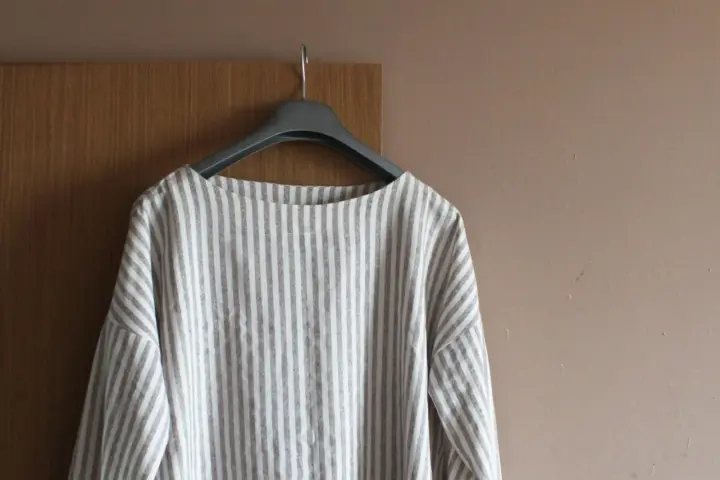
Linen is made from the stem fibres of the flax plant. These fibres are long, strong and slightly stiff, which gives linen cloth its crisp feel and characteristic slubs. Linen is highly breathable, absorbs moisture quickly and dries fast, so it feels cool in hot weather.
The trade-off is creasing. Linen fibres have little elasticity, so the fabric wrinkles heavily, and many people treat this as part of its relaxed appeal. Linen also softens with each wash and can last for many years when cared for well.
Wool
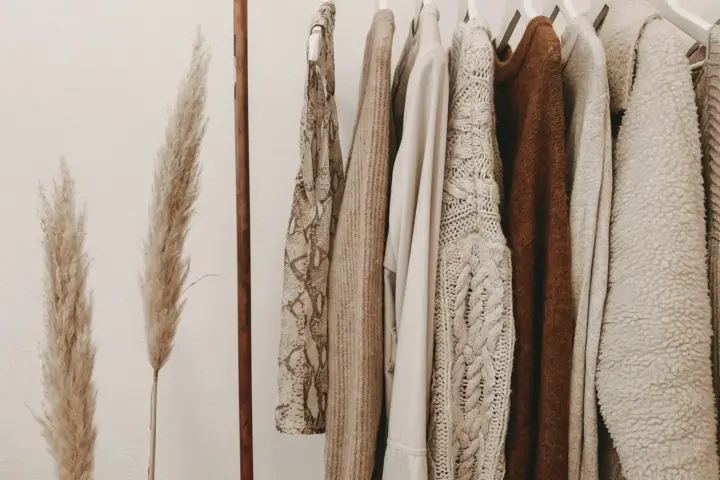
Wool is a protein fibre, most often from sheep fleece. Other animal fibres include cashmere from cashmere goats, mohair from Angora goats, and alpaca. Wool fibres are naturally crimped, which traps air and gives excellent insulation. Wool can also take up a good deal of moisture vapour before it feels damp, and it resists odour, so it often needs washing less than other fabrics.
Fine merino wool has thinner fibres than coarse wool, which is why it feels softer against the skin. Wool resists wrinkles and has natural stretch and recovery. Its main risk is felting: heat, moisture and agitation make the surface scales of the fibres interlock, causing shrinkage that cannot be reversed.
Cotton, linen and wool side by side
| Property | Cotton | Linen | Wool |
|---|---|---|---|
| Fibre source | Plant seed boll | Plant stem (flax) | Animal fleece |
| Breathability | High | Very high | High, regulates temperature |
| Warmth | Low to medium | Low | High |
| Wrinkling | Moderate | High | Low |
| Durability | Good | Very good | Good, elastic |
| Typical care | Machine wash | Wash cool, line dry | Gentle wash, dry flat |
How to choose
- Hot, humid weather: linen first, then lightweight cotton.
- Everyday basics and frequent washing: cotton.
- Cold weather and layering: wool, especially fine merino next to the skin.
- Travel clothes that need little ironing: wool, or a cotton blend that creases less than pure linen.
Common questions
Which natural fabric is the most breathable?
Linen is generally the most breathable of the three, followed by cotton. Wool also breathes well and helps regulate temperature across a wide range of conditions.
Does blending fibres help?
Yes. Linen and cotton blends reduce creasing, and wool blended with a small amount of nylon improves durability. Check the label to see the proportions.